
Get health and fitness tips at Greatist.com
Get health and fitness tips at Greatist.com
In my search for things to help with my calf strain, I learned that there’s lots of conflicting research about what actually helps in recovery after exercise or running and what is mostly in your head.
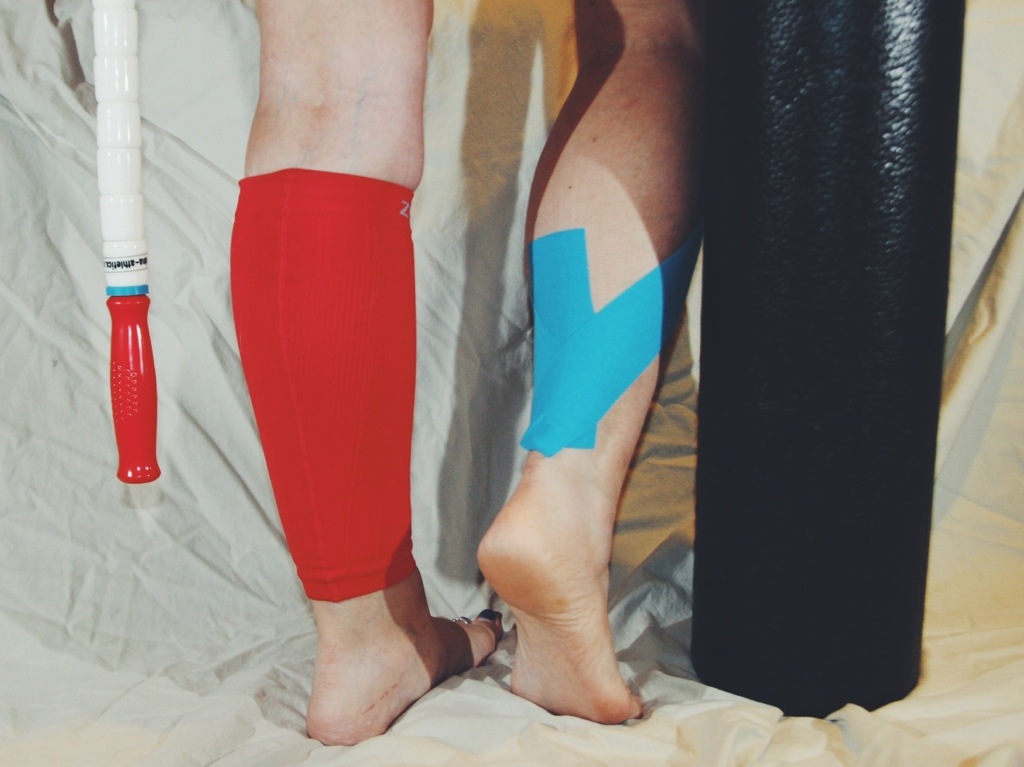
Icing
It’s the “I” in RICE (rest-ice-compression-elevation) that is the standard for injury treatment. Many runners enjoy ice baths after long runs to aid in recovery. Icing is thought to reduce swelling and pain from constricting the blood vessels. But does it actually do anything? One recent study says it can actually slow recovery. While it has been shown to aid in pain relief (for about 15 minutes), it can restrict your body from doing the things necessary to heal itself. Another study tested ice baths and found that they made little to no difference in inflammation and swelling, and, in fact, may have actually caused more delayed on-set pain. Yet another determined that it helped recovery if you believed it would. Overall, icing hasn’t been study very thoroughly. It’s hard to do blind tests (one can typically tell if they have ice on them), and sample sizes have been small. The jury is out on this one.
For more reading:
Ice Baths: Body and Mind
Icy Bath May Help Sore Muscles Recover
Bathing in ice after intense exercise ‘does not work’, says new report
Should We Ice Injuries?
Self-Massage
It’s been proven that massage after exercise is beneficial in recovery (at least in rabbits). But who can afford to go to a masseuse after every run? That’s where self-massage comes in. There are several tools to aid in self-massage, but the most popular are foam roller and the Stick. However, not a lot of studies have been done on self-massage, and the ones are out there are contradictory. There’s probably a small chance that you could overstretch your muscle and impede recovery, which is why it’s still good to see the pros from time to time. This one goes in the “do-it-if-it-feels-good” category.
For more reading:
Does Massage Work? The Rabbits Know
Foam Rolling to Faster Recovery
Self-Massage the Runner’s Way
Kinesio Tape
Kinesio taping got popular after everyone in the last summer Olympics was sporting it. It’s a flexible tape thought to help circulation to injured muscles and supports them to increase range of motion after injury. However, as seen at the Olympics, it’s commonly worn on non-injured muscles for recovery purposes. Does it help? While an Italian study found that it had no benefits with enhancing performance, several studies have shown a modest benefit in its use. At the very least, there are no harmful effects from taping.
For more reading:
Kinesio Taping: Does It Work?
Kinesio Athletic Tape – A New Athletic Tape for Sports Injuries
Compression Tights/Socks/Sleeves
According to RICE, compression is a good thing. And according to science, it is too. Several studies have found that wearing compression garments after a workout can lead to faster recovery. No one seems to really know why, but, hey, if it works, it works! I love my bright red Zensah leg sleeves.
For more reading:
Owner’s Manual: Do Compression Socks Work?
Compression vs. Placebo Tights for Recovery
Zensah Compression Socks Review
Ibuprofen/Tylenol
You might think, “If we want to reduce inflammation and relieve pain, why not take an anti-inflammatory?” Seems logical, but studies actually show that taking ibuprofen can actually hinder recovery and doesn’t let your muscles adapt in distance running. It is generally okay to take for acute injuries, but not for normal training soreness. And, if you absolutely need a pain killer, acetaminophen (Tylenol) is generally better to take than ibuprofen or aspirin.
For more reading:
For Athletes, Risk from Ibuprofen Use
Taking Ibuprofen before Endurance Exercise is Not Recommended
Ibuprofen and Running
The take-away? We all know the running is a mental sport. Your mind is a very powerful tool. Do what you feel works. If you believe it does, it probably will to some extent. Except for ibuprofen. Stay away from that.
How do you recover from a run?


More Health and Fitness News & Tips at Greatist.
I’ve mentioned before that this is the third year I’ve attempted Couch to 5k. I just want to share my experiences with why I’ve actually stuck with it this year when I didn’t the others.
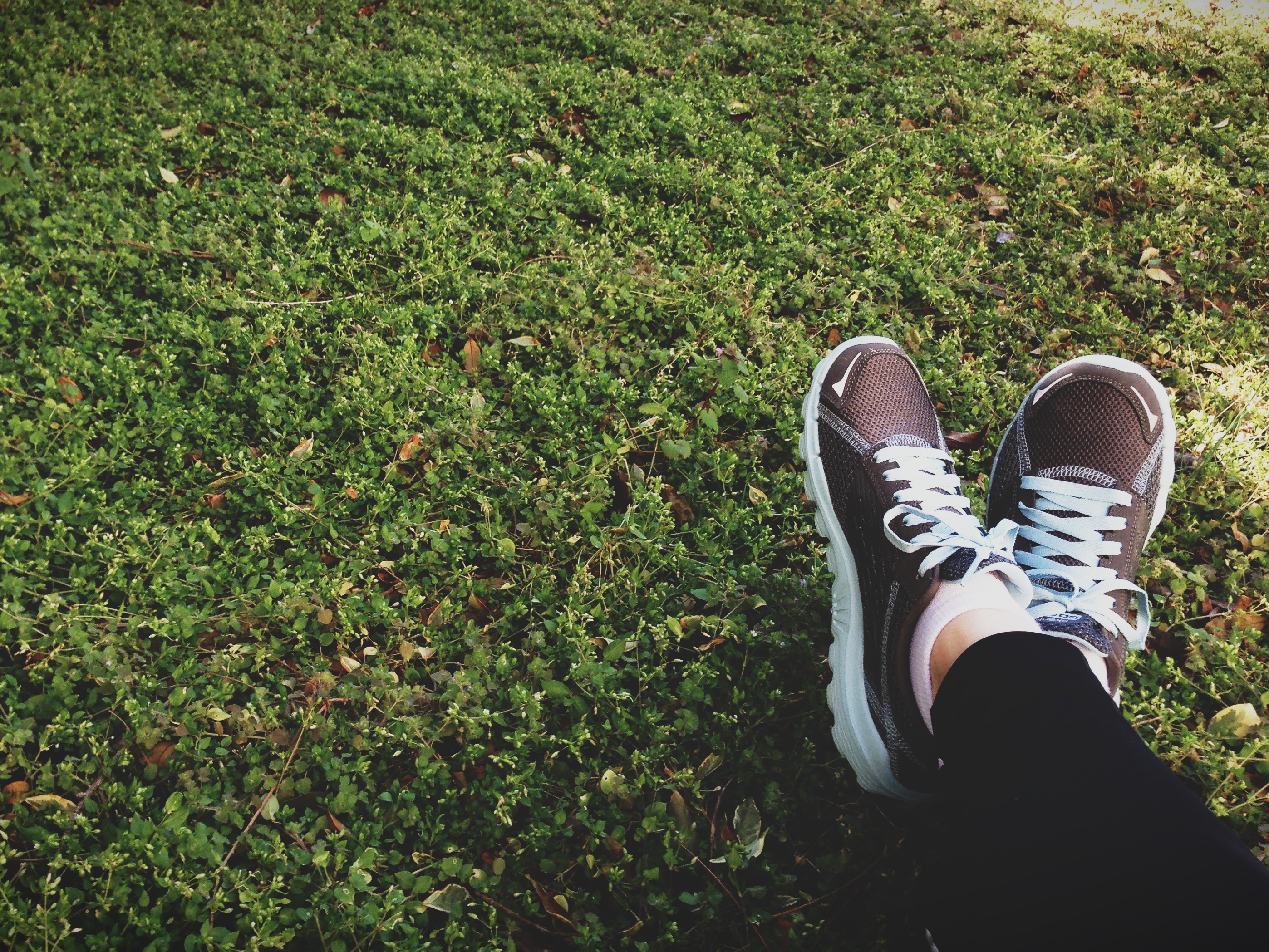
The second time was in 2012, just because I don’t like quitting things. However, I never entered a 5k, so after two weeks I stopped. I started up briefly again in the fall, but quickly got distracted by other things and didn’t return.
Enter 2013. I was determined to actually do it this time. I signed up for the Color Run as soon as I could. Then this year’s Law Enforcement Memorial 5k. I plan on doing some other fun runs as well, like the second Color Run and the Electric Run. As long as I have a running event I’m looking forward to, it makes me get out and run.
At the beginning of 2013, I didn’t immediately jump back into Couch to 5k. I took a month or two just running/walking on the treadmill at my own pace. I’d run until I was out of breath, then walk until I recovered, repeat. Doing this made me dread it less because I knew I was in complete control. Once I was comfortable with the amounts I was jogging, I slowly started back in Couch to 5k. But I still have days where I do my own thing, and I think this is key.
In February of this year (after doing my thing on the treadmill for a month and being truly determined that I wasn’t going to give up this time), I invested money in real running shoes. This helped immensely. I started paying more attention to my form and my speed began to improve almost immediately since I didn’t have clunky sneakers weighing me down.
From there, I bought some running tights, shorts, and tanks so that I didn’t feel as gross and heavy wearing sweat-soaked cotton. And I just bought my second pair of running shoes so I can switch them out and make them last longer.
There were other factors, I’m sure, but I think these are the three main ones that kept me going. Now I think it’s the endorphin rush I get when I run. I actually enjoy it. (My 18 year old self is rolling her eyes at me right now.) And a little over 2 years after I initially began, I’m almost through with my Couch to 5k journey and about to embark on 10k training.
What keeps you motivated?
 Progressive Runner